
How Citizen Journalist Ruot Bayoch Brought Akobo’s Suffering to the World
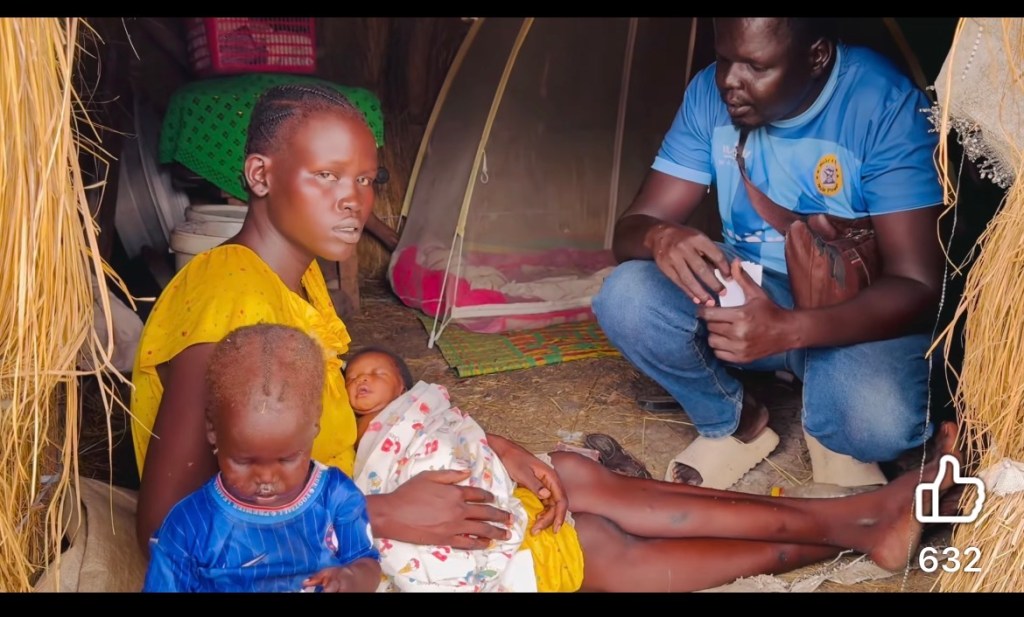
Lincoln, Nebraska – Akobo County is beautiful but brutal. Rivers fill with crocodiles during flooding seasons and roads turn to mud when rains arrive each April. Gunshots frequently interrupt tranquil nights and children play alongside military bases littered with trash. When civilians were attacked by armed forces, one man refused to hide. He grabbed his camera and microphone. Ruot Bayoch is citizen journalist from South Sudan who has dedicated his life to sharing the stories of Akobo. Without a salary, security detail, or international organization backing his work, Ruot became one of the most recognizable voices speaking on behalf of besieged civilians caught in South Sudan’s ongoing violence.
Ruot walked through sprawling camps housing thousands of internally displaced persons. He sat beneath trees with heartbroken mothers mourning lost children. He listened to displaced fathers who narrated stories of survival after gunfire enveloped villages during dark nights. Ruot was not searching for a story. He was living one, but he knew others around him were struggling to tell theirs. As civil war has raged across South Sudan for much of the young nation’s history, hundreds of thousands of civilians have been displaced with millions more currently suffering from conflict and drought across the country. Remote counties like Akobo in South Sudan’s Jonglei State and Greater Upper Nile region have witnessed some of the worst attacks on civilians where families were forced from their homes and children faced hunger on a daily basis.
These attacks come at a heavy price. Not only are communities displaced, but they often lack a platform to share their stories with international audiences. Journalists with major media outlets often face security risks, infrastructure challenges, and financial limitations reporting from remote corners of South Sudan. That is why Ruot’s voice became their voice. Each morning, Ruot would wake up before sunrise and plug his camera into small solar panels that charged the device. When electricity was available, he would also use generators to fully charge his equipment before heading out to visit displacement camps and makeshift civilian shelters.
There, he would interview survivors. Widows who lost their husbands to violence spoke to Ruot about family members killed during attacks. Civilians injured by gunshots described the aftermath of war as bullets riddled their bodies. Children whose parents had disappeared spoke of uncertainty that clouded their minds. Ruot conducted interviews in his native Nuer language, which fostered a sense of trust between him and the people he interviewed. These interviews were real. They weren’t scripted stories poured over by editors. They were authentic conversations about grief, survival, and experience.
Ruot would ask these survivors questions about their stories while sitting beneath trees or makeshift tents. Occasionally, interviews were conducted in open-air clearings as families huddled together behind Ruot. Some survivors cried while sharing their story. Many would sit in silence, overwhelmed by memories before summoning the strength to continue. Each interview shared brutal details of civilian life amidst war, starvation, violence and Death. Psychological trauma became a topic woven into every interview, whether individuals wanted to discuss it or not.
The power of Ruot’s videos were their rawness. The stories were difficult to watch because they were real. When people tuned into Ruot’s channel on YouTube or Facebook they were transported to Akobo. They heard children crying in the background. They heard sorrow and pain in every interview. They wept because, for a few moments through Ruot’s lens, they were living inside the villages of Akobo County too. Though his camera had zero dollars of production value and his audio was sometimes interrupted by wind, Ruot captured the reality of life with vivid detail few journalists can translate into video.
Ruot’s videos would eventually catch the attention of media outlets across the world. With thousands of views and shares across diaspora social media groups, journalists with outlets like BBC radio News and Al Jazeera reached out to Ruot asking about his documentation efforts. His local mission to record the stories of Akobo residents organically grew into something much bigger. Humanity reached these forgotten communities through the lens of a young citizen journalist with a story to share.
Ruot has since been interviewed by reporters asking about life within one of the world’s youngest and most fragile countries. The interviews discussed the hardships he faced documenting these stories and his hopes for bringing even more attention to Akobo. International journalists were not moved only by the testimonies Ruot collected, but the extreme courage it took for him to walk through villages knowing the risk that each interview could bring. While international journalists can embed with military forces or fly to locations via helicopter, citizen journalists bear the largest risk when reporting on local stories. They often do not have a network backing their efforts and frequently face threats from community members, opposition military groups, or political leaders.
Despite the risk, Ruot continued to share their stories. He knew some people begged him to stop. Each interview could put his life at risk. After crying children finished their interview, Ruot would hug them as their mothers stood by in tears. He was told his work was dangerous. He was told to give up his camera. But Ruot Bayoch did not stop. How could he? These people needed someone to share their story with the world. In too many cases, citizens of South Sudan do not feel their rural voices are heard by government leaders in Juba. By sharing the stories of marginalized communities, Ruot showed journalism could be used as tool to ensure their people would not be forgotten.
Ruot Bayoch also represents a larger movement happening across Africa and conflict regions worldwide. Citizen journalism is on the rise. With smartphones and small video cameras, everyday people are capturing what traditional media often cannot cover. But Ruot’s impact was about more than recording tragedies. It was about recording strength.
Ruot filmed children who had survived war smiling despite the unknowns that awaited them. He captured women sharing their food with strangers. He showed displaced teens providing assistance to elderly families struggling to adjust to displacement. Moments of hope reminded Ruot’s viewers that humanity could always triumph over tragedy. Local journalists, displaced themselves from the places they cover, understand community needs better than international journalists who may parachute in, collect stories, and leave.
“One reason people trust Ruot is because he’s from this community,” one person commented during a Facebook discussion about Ruot’s journalism efforts. “He’s not dropping in for a day or two and leaving. He’s living and breathing this reality.” That authenticity within his interviews allowed stories to come alive. Ruot Bayoch became not just a journalist, but a storyteller determined to capture life from the eyes of his people. In an age where journalism is often polluted by profit and political agendas, Ruot uses journalism as a tool to speak for others.
Because for many displaced persons in Akobo County, Ruot became their voice. When children cried to him about losing parents, he cried with them and shared their story with the world. His camera lent them a voice they did not have and for once, people listened. As South Sudan reels from instability, humanitarian crises, and political uncertainty citizen journalists like Ruot give voice to the voiceless. In times of hardship and struggle, journalism is our strongest weapon against an unjust world. Sometimes change won’t come from fancy speeches at the United Nations or powerful governments swaying in diplomatic conversations. Sometimes change comes because one man sits under a tree with a camera and listens.
 About me page
Leave a comment